An update from Julia Rata Te Raki, (Project Lead Manawhenua), on the mana whenua-led project to restore mahika kai values to Hakatere / Fork Stream
In the heart of a vast 310,000-hectare mainland island, a legacy for our mokopuna is being woven into the waters of Hakatere / Fork Stream. This vital work is part of the Te Manahuna Aoraki Project (TMAP)—a vision to revitalise the mountains, braided rivers, and tussock grasslands of this unique region so that native animals, plants, and people can thrive together. This is a vision we are weaving into reality with our founding partners, Te Rūnanga o Arowhenua, Te Rūnanga o Waihao, Te Rūnanga o Moeraki, Department of Conservation, and NEXT Foundation, alongside high-country landowners, other government agencies and philanthropic investors.
In 2017/2018 the entire TMAP project was scoped, and kā rūnaka voiced a clear priority: restore mahika kai and freshwater values to Hakatere / Fork Stream. From this aspiration emerged a singular mission: to remove trout from its tributaries, restore mahika kai and freshwater values and re-establish traditional mahika kai in Hakatere / Fork Stream. Nature itself provided the perfect tool for this task—Hakatere / Fork Stream has 2 trout barriers making it the ideal location to remove the trout because once we remove them all they will be gone forever.
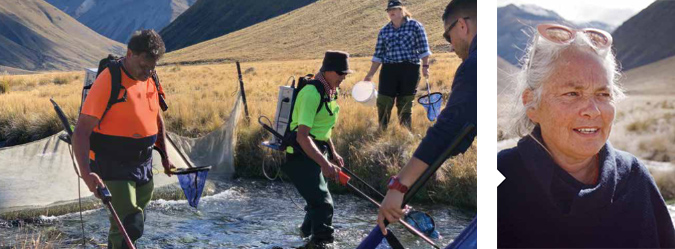
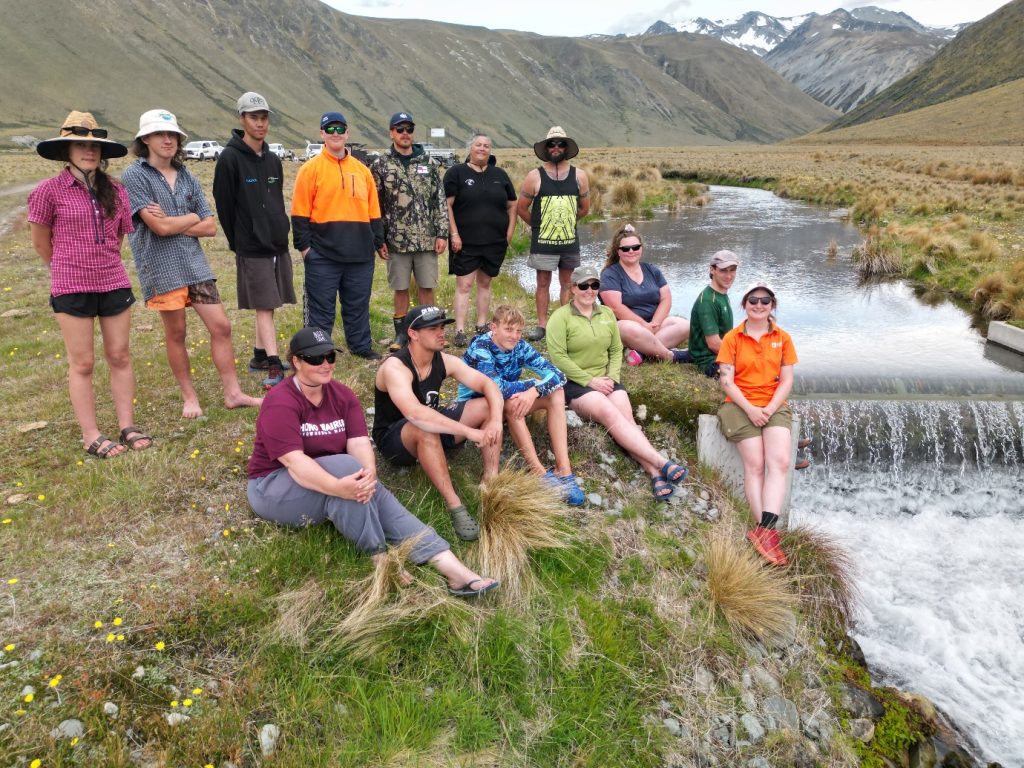
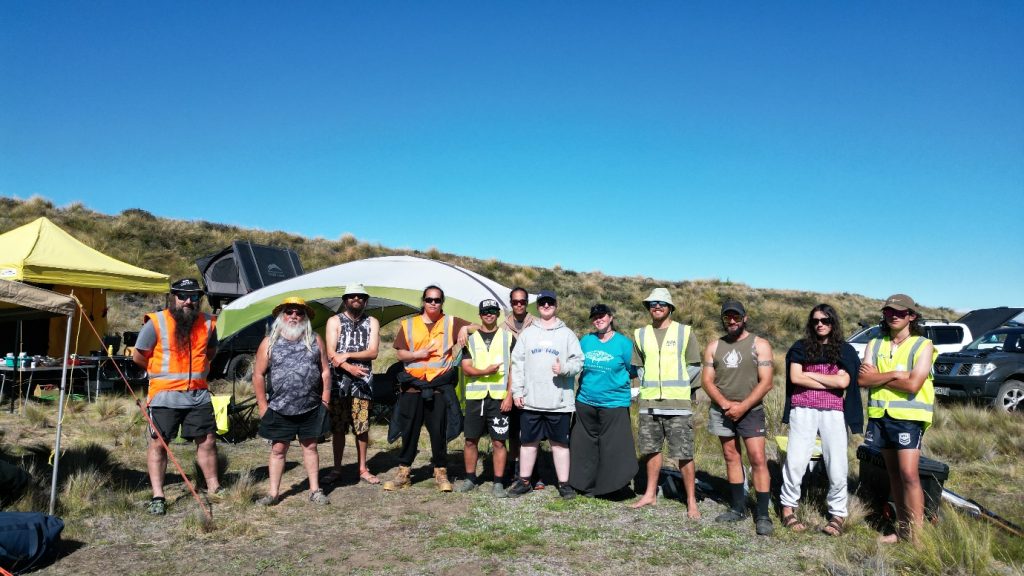
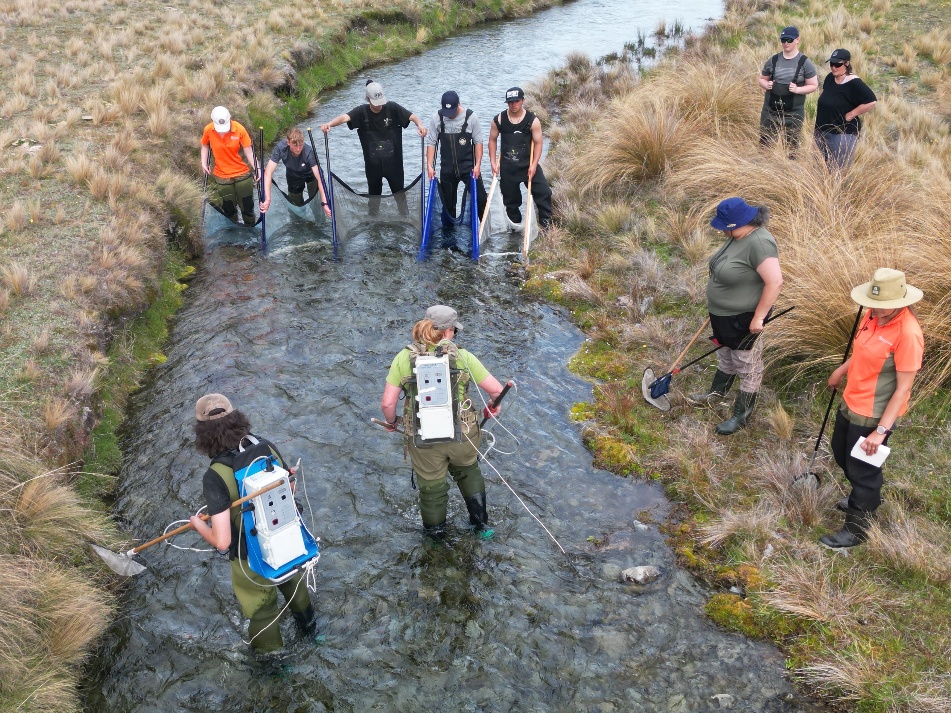
Kā rūnaka led the first stages of trout removal between 2019-2021, achieving a staggering 90% knockdown of trout and removing 1053 trout in a powerful declaration of intent. After a period of planning, a work program originally drafted by Rosemary Clucas in 2021 was picked up in 2023, and kā rūnaka began to lead the mahi again. This resurgence was powered by the 2024/2025 mana whenua Fisher team—a mana-filled collective of 10 rakatahi, 3 pakeke, and kaumātua Karl Russell, led by Nathan Meager and representing whakapapa from all 3 kā rūnaka.
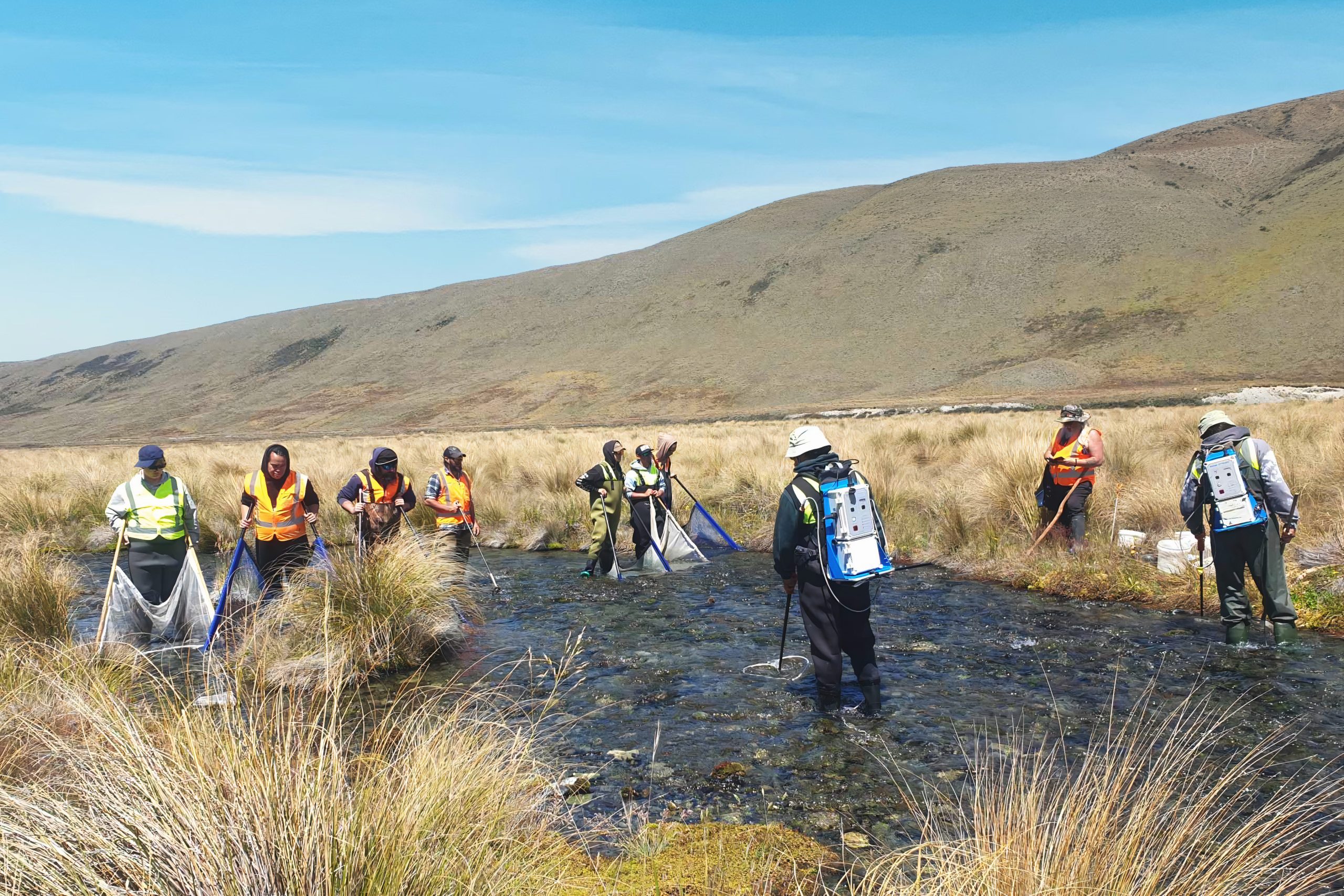
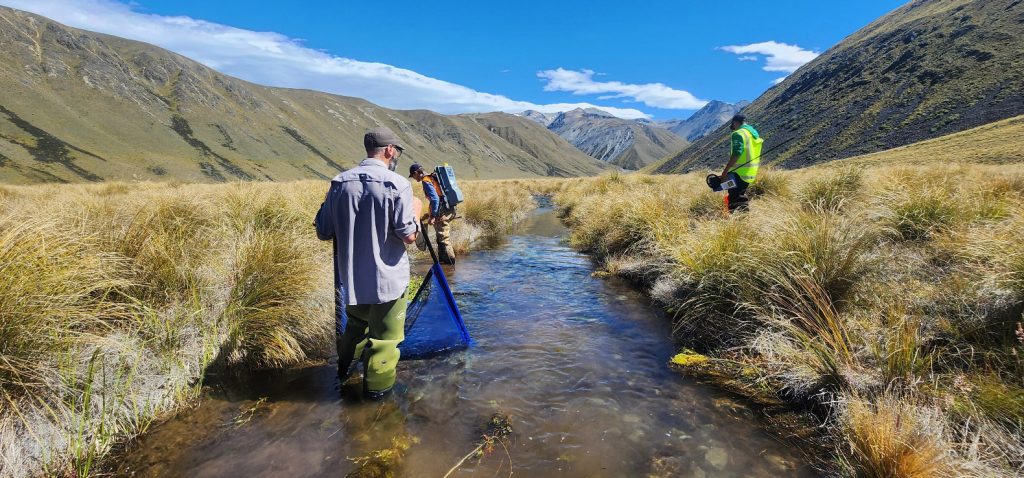
Over seven days of intensive mahi across two site visits, their work yielded incredible results. In total, 393 brown and 193 rainbow trout of varying sizes were removed from the left tributary of Hakatere / Fork Stream. The data and their own eyes confirmed the progress: trout numbers upstream of the true left barrier were lower than previously, with good drops of numbers occurring overall.
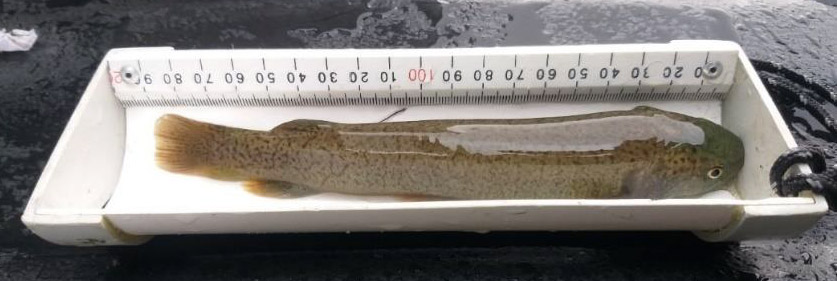
However, the true measure of our success revealed itself not in the trout counted, but in the native life flourishing. Upstream of the barrier, the waters now teem with bignose galaxias, while the thrilling sight of large kōaro and tuna in the system brought our whānau immense pride. Each of these native species signals the stream’s healing and the restoration of our mahika kai.
This project is a living model of kaitiakitaka, operating at every level. Strategically, it is governed by the TMAP Board, which includes a Rūnaka Director and Observer, while operational guidance comes from the mana whenua advisory group, fulfilling our role in key governance and advisory bodies. On the ground, this leadership translates into action: whānau have been trained to collect data and conduct electrofishing safely, ensuring this knowledge is held by our people. The data they collect for Aoraki Environmental Consultants (AEC) guarantees our rūnaka leads the science, with an updated report on fish density soon to guide our next steps.
With clear eyes, we acknowledge both the progress made and the journey ahead. The mahi is not finished, but it is empowered by strong whakawhanuangatanga. The profound opportunity to access ancestral lands again after nearly 180 years fuels our determination. Guided by this momentum, we are focused on key opportunities: building relationships with high country landowners and government agencies, and deepening our connection by inviting kaumatua to share the pūrākau and whakapapa of Te Manahuna and Hakatere / Fork Stream.
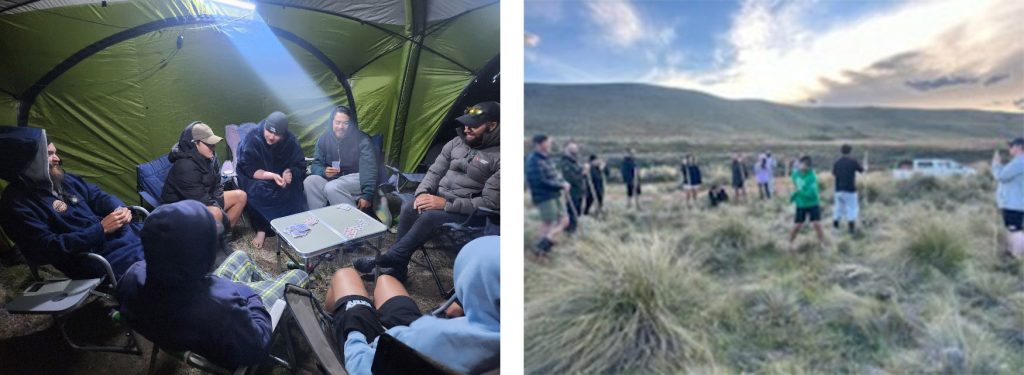
Our ultimate goal is to weave together technical expertise and kaitiakitaka. We are building a field team that is highly skilled, with its work deeply rooted in a cultural and spiritual connection to wai and the responsibility to manage it as a taonga. Through a firmly embedded tuakana/teina approach, we ensure our rakatahi grow into these roles as both learners and leaders.
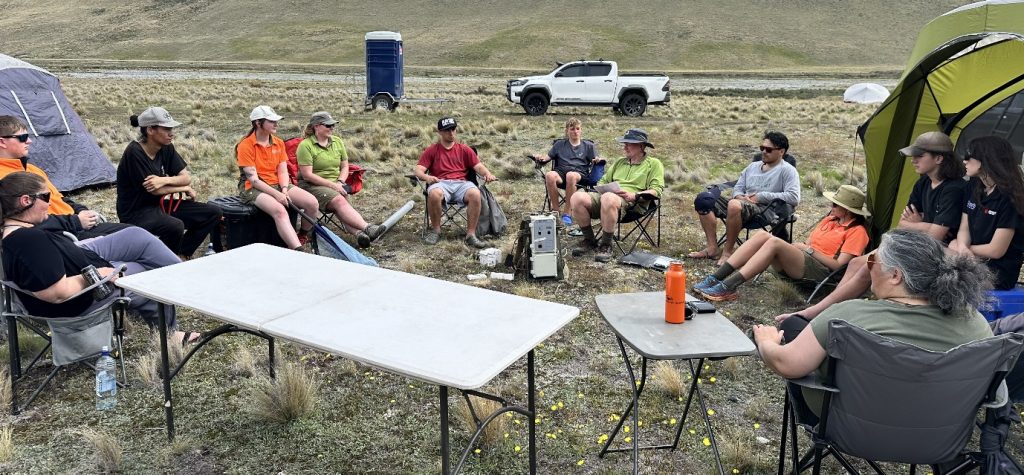
The mauri of Hakatere / Fork Stream is stirring back to life. And with every trout removed, with every data sheet filled by our own people, with every story shared by our kaumātua, our own identity is strengthened. We are not just restoring a waterway; we are fulfilling the aspiration to restore our connection, our mahika practices, and our right to gather kai for generations to come.
He taonga tuku iho tēnei, he hua nā ō tātou mahi tahi – a legacy flowing as strong and steady as the waters of Hakatere, a vital part of the great wetland complex of Te Manahuna.